Daily Planner KDP Interior Design Assets
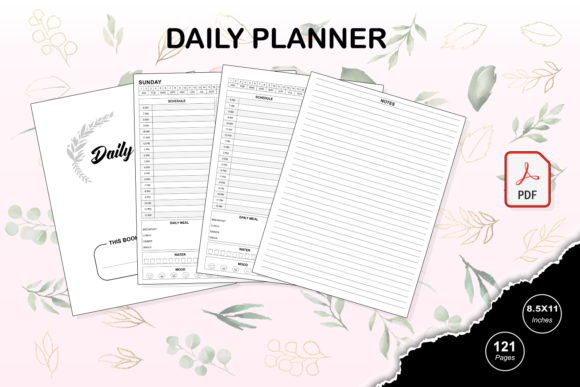
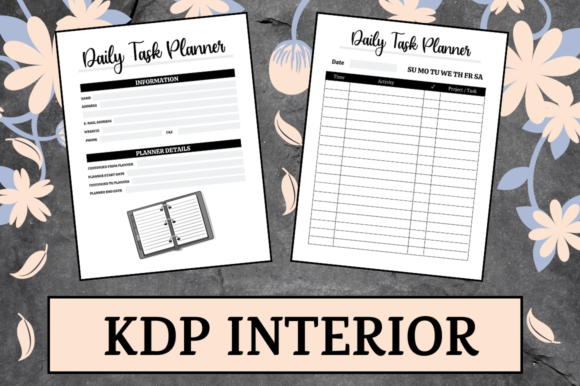
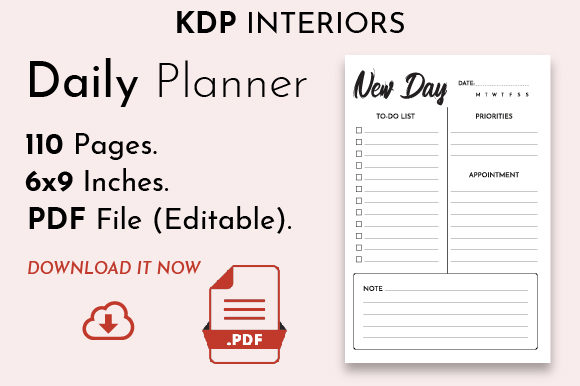
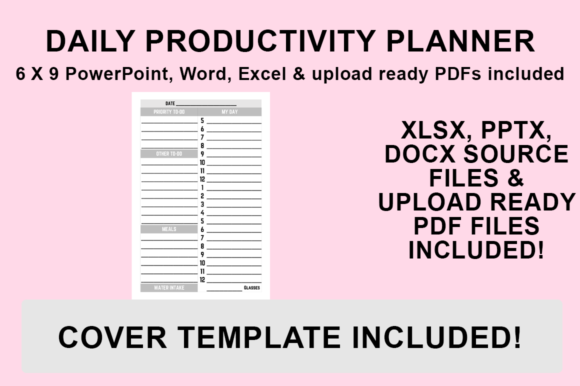
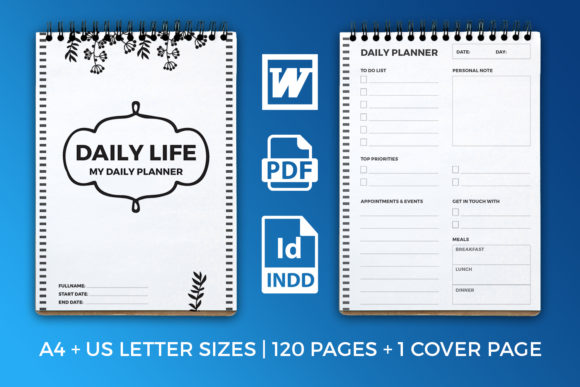
Elevating your self-publishing portfolio requires more than just good ideas; it demands professional-grade layout foundations that save time without sacrificing aesthetic integrity. When sourcing a Daily Planner – KDP Interior, designers and creators are looking for a balance between functional utility and visual elegance. This resource provides an immediate solution for those needing a robust starting point, offering instant downloads in PDF, Word, and InDesign formats ready for upload. By utilizing pre-structured templates, graphic designers can focus on refining brand identity and customizing typography rather than rebuilding grids from scratch, ensuring a polished final product that meets rigorous print standards.
Technical Precision and File Versatility
From a production standpoint, the value of this asset lies in its technical specifications and format flexibility. A professional design workflow often requires adapting to different client needs or platform requirements, and having access to source files is non-negotiable. The inclusion of INDD (InDesign) files allows for deep customization of master pages, paragraph styles, and object libraries, which is essential for maintaining consistency across 120 pages. Simultaneously, the DOCX option serves marketers or business owners who may not have Adobe Creative Cloud access but still need to edit content efficiently.
The specification of A4 and US Letter sizes with clear bleed and no-bleed options addresses one of the most common pain points in print design. Proper margin management and safe zones are critical for preventing text cutoff during the trimming process. High-quality print-ready PDFs ensure that what you see on screen translates perfectly to paper, preserving crisp lines and accurate color reproduction. This level of preparation supports a seamless user experience, reducing the friction between creative concept and physical product.
Applications Across Creative Disciplines
While primarily designed for publishing, the structural principles embedded in this daily planner template extend to various areas of visual communication and editorial design. Understanding how to leverage these layouts can enhance multiple creative projects:
- Brand Identity Systems: Use the planner’s grid structure as a baseline for developing consistent stationery suites, ensuring that notebooks, calendars, and corporate documents share a unified visual language.
- Digital Product Creation: Adapt the interior layouts for digital planning apps or tablet-friendly PDFs, bridging the gap between traditional print aesthetics and modern UI design expectations.
- Marketing Collateral: Repurpose the clean typographic hierarchy found in the planner for brochures or white papers where readability and information organization are paramount.
- Merchandise Design: Utilize the cover page concepts and interior motifs to create cohesive merchandise lines that reinforce brand recognition beyond just books.
Enhancing Visual Hierarchy and User Experience
Effective graphic design is invisible; it guides the user effortlessly through content. A well-crafted daily planner interior demonstrates mastery of visual hierarchy, using spacing, weight, and alignment to distinguish between dates, tasks, and notes. When customizing this asset, designers should pay close attention to whitespace. Adequate breathing room prevents cognitive overload and enhances the perceived value of the publication. Typography choices should prioritize legibility at small point sizes, considering that functional planners are often referenced quickly in varying lighting conditions.
Furthermore, integrating these assets into your workflow allows for rapid prototyping. Instead of spending hours setting up margins and gutters, you can immediately test different color palettes and font pairings to see what resonates with your target audience. This agility is crucial in digital marketing and product development, where speed-to-market often dictates success. The ability to modify source files means you can adapt the design to match specific seasonal trends or niche aesthetics without compromising the underlying structural integrity.
Strategic Customization for Professional Results
To maximize the impact of this Daily Planner – KDP Interior, approach customization with a strategic mindset. Evaluate the existing layout against your specific branding goals. Does the current typeface reflect your brand voice? Is the line weight consistent with your other creative assets? Small adjustments to header styles or footer placement can transform a generic template into a proprietary design asset. Always verify that any added graphical elements maintain sufficient contrast and adhere to accessibility standards, ensuring the planner is usable by a wide audience.
Ultimately, the quality of your creative output depends on the foundation you build upon. Investing in comprehensive, multi-format resources streamlines the production process while elevating the final aesthetic. Whether you are designing for print, web, or hybrid media, thoughtful selection and adaptation of professional interiors ensure that your work communicates clarity, competence, and style. By prioritizing usability and visual coherence, you create products that not only look exceptional but also serve their intended function with grace and efficiency.