Evaluating 200 Sudoku Puzzles for Kids 6x6 Vol.1: Format, Difficulty, and Practical Use Cases
When selecting logic puzzle resources for children aged six to ten, the primary decision often lies between physical workbooks and printable digital assets. 200 Sudoku Puzzles for Kids 6x6 Vol.1 represents a specific category of ready-to-print PDF puzzle books designed to bridge the gap between introductory logic games and standard adult sudoku. Unlike generic activity books that mix word searches, mazes, and coloring pages, this resource focuses exclusively on 6x6 grid sudoku. This specialization makes it a distinct option for parents and educators who prioritize cognitive skill development over general entertainment.
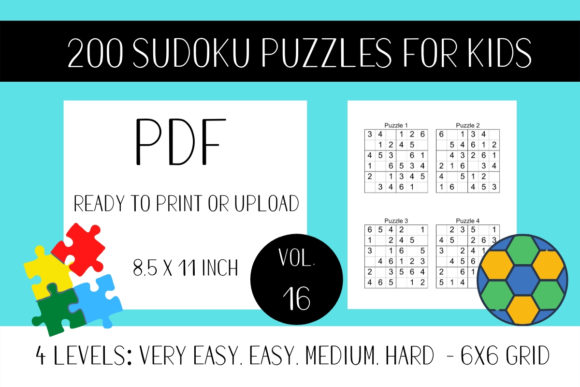
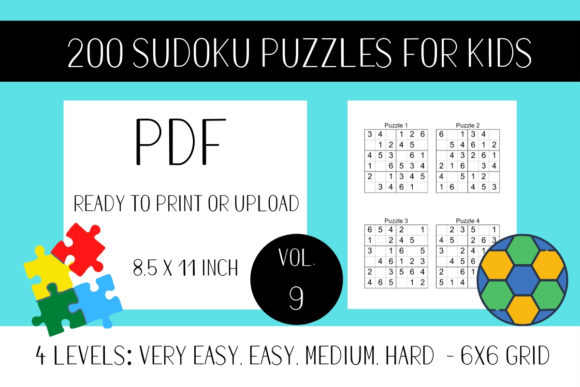
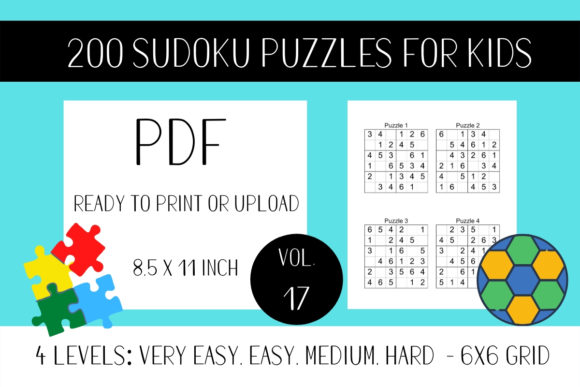
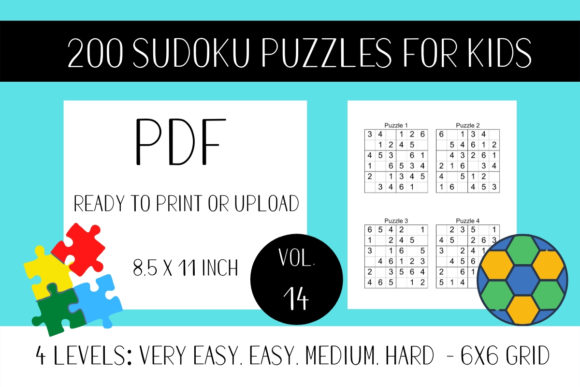
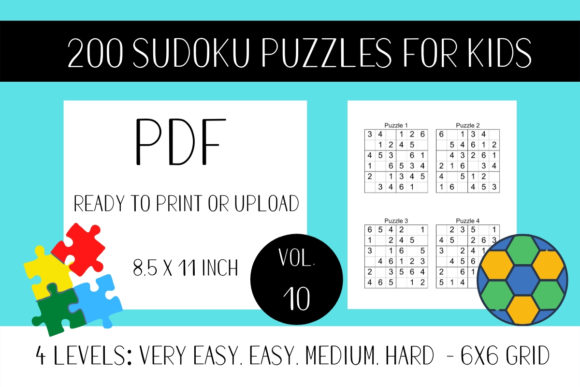
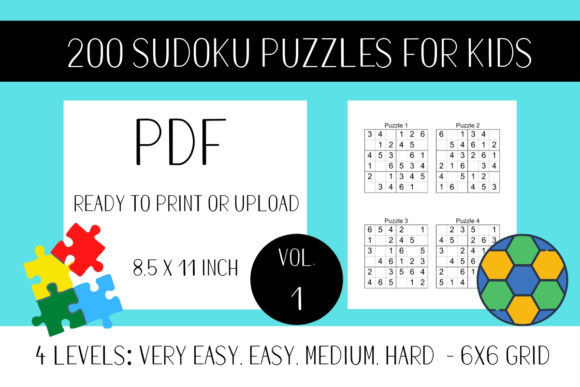
The product specifications are precise: an 84-page PDF formatted for 8.5″ x 11″ paper, containing four puzzles per page across four difficulty levels. With answer keys organized six per page, the layout is optimized for high-volume printing and efficient verification. However, determining whether this specific volume fits your needs requires comparing its structure against broader market alternatives and understanding the pedagogical implications of the 6x6 format versus other grid sizes.
Distinguishing Features of the 6x6 Grid Format
The most critical evaluation factor for this resource is the grid size. Standard sudoku uses a 9x9 grid with numbers 1-9, which can be cognitively overwhelming for early elementary students. Conversely, 4x4 grids are often too simple for children over age seven, serving only as a brief introduction. The 6x6 grid utilized in 200 Sudoku Puzzles for Kids 6x6 Vol.1 occupies a strategic middle ground. It uses numbers 1-6 (or symbols) within six 2x3 subgrids. This reduction maintains the core logical deduction requirements of traditional sudoku while reducing the working memory load.
For adults researching developmental appropriateness, this distinction matters. A 6x6 puzzle typically takes a child 5 to 15 minutes to solve, depending on difficulty. This duration aligns well with the attention span of early learners, providing a sense of completion without frustration. When comparing this to mixed-format activity books, the tradeoff is variety versus depth. Mixed books offer novelty but rarely provide enough repetition of a single logic type to build genuine proficiency. This volume sacrifices variety to ensure the user gets sufficient practice to internalize scanning and elimination techniques specific to rectangular subgrids.
Layout Efficiency and Printing Considerations
The density of content is a significant differentiator when evaluating cost-per-use and storage. Many printable puzzle packs use one puzzle per page to maximize whitespace and visual appeal. While aesthetically pleasing, this approach consumes excessive paper and ink. 200 Sudoku Puzzles for Kids 6x6 Vol.1 adopts a utilitarian layout with four puzzles per page. For a collection of 200 puzzles, this results in an 84-page document rather than a 200+ page tome.
This density presents both strengths and limitations:
- Paper Economy: Users printing at home will appreciate the reduced page count. Double-sided printing can condense the entire set into a 42-sheet booklet, making it physically manageable for small hands and easy to store in standard binders.
- Visual Clarity: Despite the higher density, the 8.5″ x 11″ format ensures each 6x6 grid remains approximately 3.5 inches wide. This provides adequate space for children to write numbers clearly, though it may be tight for those with developing fine motor skills or dysgraphia.
- Answer Key Organization: Placing six answers per page streamlines the checking process. Adults can verify multiple completed puzzles at a glance without flipping through dozens of pages, which is essential for maintaining engagement during classroom or homeschool sessions.
If you require large-print accessibility or intend to use these puzzles for therapeutic fine-motor exercises where maximum writing space is necessary, this compact layout may not be suitable. In such cases, seeking a "large print" variant or a resource with fewer puzzles per page would be a better fit.
Analyzing Difficulty Progression and Skill Building
A common failure point in children’s puzzle books is inconsistent difficulty scaling. Some resources label puzzles as "easy" or "hard" arbitrarily, leading to sudden spikes in complexity that discourage learners. This volume addresses this through four distinct difficulty levels distributed across the 200 puzzles. When evaluating this progression, consider how it compares to app-based alternatives and static workbooks.
Digital sudoku apps often use adaptive algorithms to adjust difficulty in real-time. While effective for individualized learning, they lack the tactile experience of pencil-on-paper, which research suggests supports better retention and spatial reasoning in young children. Physical workbooks offer tactile benefits but are fixed; once purchased, you cannot regenerate easier puzzles if the current level is too hard. 200 Sudoku Puzzles for Kids 6x6 Vol.1 offers a hybrid advantage: the tactile benefit of paper combined with the flexibility of digital ownership. Because it is a PDF, you can reprint specific difficulty levels as needed. If a child struggles with Level 3, you can generate additional copies of Level 2 for reinforcement without repurchasing materials.
However, users should be aware that "four levels" in a 200-puzzle set means roughly 50 puzzles per tier. For advanced learners who progress quickly, the upper tiers may still feel repetitive. Conversely, for neurodivergent learners who benefit from extended repetition, this volume provides substantial practice at each stage before advancing. Comparing this to subscription-based worksheet services, the upfront cost is higher, but the long-term value is superior for focused skill acquisition since there are no recurring fees.
Best-Fit Scenarios and Limitations
Determining whether this specific resource is the right choice depends heavily on your intended use case. Based on its specifications and format, here is a practical breakdown of when this volume excels and when alternatives are preferable.
Ideal Use Cases:
- Homeschool Logic Curriculum: As a supplementary daily warm-up activity. The 4-puzzles-per-page format allows teachers to assign a quarter-page daily, integrating seamlessly into lesson plans without wasting paper.
- Travel and Waiting Room Activities: Printing a selective subset (e.g., 10 pages) creates a lightweight, disposable activity pack. Unlike expensive glossy workbooks, these sheets can be recycled after use, reducing guilt over lost or damaged items.
- Classroom Centers: The standardized format makes it easy to create self-directed stations. Students can work independently while teachers focus on guided instruction, knowing the answer keys are readily accessible for self-checking.
- Screen-Free Transition Time: For families managing screen time limits, this provides a structured, engaging alternative that feels like play but builds executive function skills.
When to Choose Alternatives:
- Pre-Writers or Kindergarteners: Children who cannot yet form numbers legibly may find the 6x6 grid frustrating despite the simplified logic. Symbol-based 4x4 puzzles or sticker-based logic games are more developmentally appropriate starting points.
- Multisensory Learners: If a child requires color-coding, manipulatives, or interactive feedback to grasp logic concepts, a black-and-white printable PDF will likely fail to engage them. Look for resources specifically designed with multisensory scaffolding.
- Casual Entertainment Seekers: If the goal is simply to keep a child occupied during a car ride without educational objectives, a mixed-activity book with mazes and jokes may provide better sustained engagement through novelty.
- Advanced Pre-Teens: Ten-year-olds with prior sudoku experience may find 6x6 grids unchallenging even at the highest difficulty. They would benefit more from 9x9 "kids" editions or variant sudoku types (e.g., diagonal, killer sudoku).
Making an Informed Decision
Ultimately, 200 Sudoku Puzzles for Kids 6x6 Vol.1 serves a niche but vital role in the landscape of children’s cognitive development resources. It is neither a toy nor a comprehensive curriculum, but rather a targeted tool for building logical reasoning through consistent, appropriately scaled practice. Its value proposition centers on efficiency, specificity, and reproducibility.
When comparing options, weigh the importance of format flexibility against aesthetic polish. Commercially published workbooks often feature colorful covers, themed illustrations, and spiral binding that enhance perceived value. This PDF prioritizes functional utility: maximum puzzles per dollar, customizable printing, and focused skill progression. For adults who view puzzle-solving as a trainable skill rather than mere pastime, this pragmatic approach typically yields better long-term outcomes.
Before purchasing, assess the child’s current relationship with logic puzzles. If they have never attempted sudoku, consider testing a free 6x6 sample first to gauge interest and readiness. If they show aptitude but need structured practice to advance, this volume’s systematic difficulty progression and economical layout make it a strong candidate. Remember that the effectiveness of any puzzle resource depends less on the product itself and more on consistent, supportive engagement from the adult facilitating the learning. This PDF provides the raw material; your involvement determines whether it becomes a valuable developmental tool or another unused digital file.