KDP Interior Coin Inventory Log: A Practical Tool for Organizing Numismatic Collections
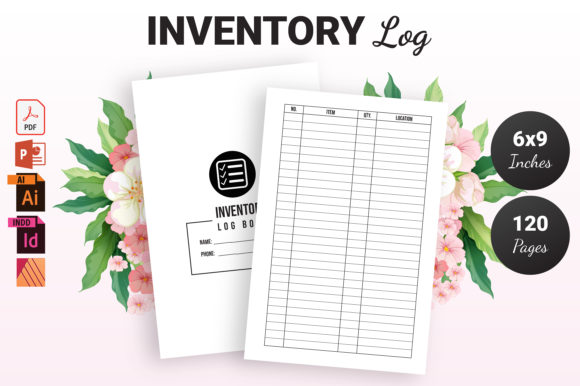
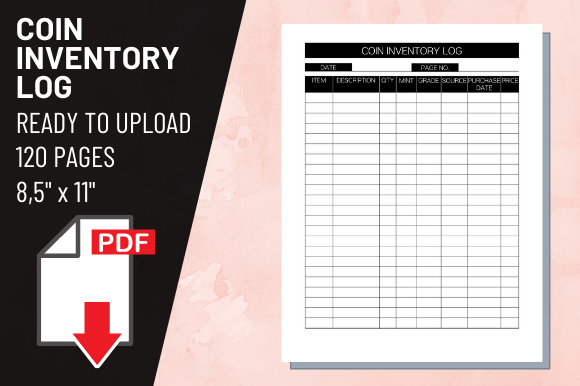
Managing a coin collection involves far more than simply acquiring new pieces; it requires meticulous record-keeping to track value, provenance, and organization. The KDP Interior Coin Inventory Log is designed specifically to bridge the gap between digital spreadsheets and physical storage, providing a tangible, print-ready solution for numismatists and resellers alike. Formatted at a standard 8.5″ x 11″ size, this 120-page PDF file offers a structured layout that eliminates the guesswork often associated with creating custom logs from scratch. Because the file is rendered at 300 dpi with no bleed settings required, users can upload it directly to Amazon KDP or print it locally without worrying about formatting errors or pixelation.
Why Physical Logs Matter in a Digital Age
While database software and mobile apps have their place, many collectors find that a physical inventory log offers distinct advantages when handling actual coins. When you are sorting through a tube of Morgan dollars or examining mint marks with a loupe, switching back and forth to a tablet or computer screen breaks your focus and increases the risk of handling errors. A printed KDP Interior Coin Inventory Log allows you to document details in real-time as you inspect each piece. This tactile workflow is particularly valuable during estate sales, flea markets, or coin shows where internet connectivity may be spotty and battery life is a concern.
Furthermore, a physical book serves as an immediate backup. Digital files can become corrupted, formats can become obsolete, and cloud accounts can be locked. Having a hard copy ensures that your acquisition costs, grading notes, and sale prices remain accessible regardless of technological failures. For those who treat numismatics as a serious investment, this redundancy is not just convenient; it is a necessary component of asset management.
Essential Use Cases for Collectors and Resellers
The versatility of this coin inventory log interior becomes apparent when applied to specific scenarios across different types of users. It is not merely a list; it is a functional tool adapted to various workflows.
- Estate Liquidators and Resellers: Professionals who buy and sell coins need to track profit margins accurately. This log provides dedicated space for purchase price, seller information, and eventual sale price. By keeping these records organized by date or lot number, resellers can quickly generate reports for tax season without sifting through shoeboxes full of faded receipts.
- Hobbyist Graders: For collectors working toward completing a set, such as Lincoln Cents or State Quarters, tracking condition is paramount. The structured fields allow users to note specific wear patterns, cleaning history, or toning characteristics that generic notebooks lack. Over time, this creates a detailed provenance record that can increase the resale value of individual coins.
- Educators and Club Leaders: Numismatic clubs and homeschool groups often use inventory logs as teaching tools. The 8.5″ x 11″ format is large enough to be legible for students learning how to catalog items properly. Using a standardized KDP interior helps teach consistency and attention to detail, skills that transfer beyond coin collecting into general archival practices.
- Insurance Documentation: In the unfortunate event of theft or damage, insurance adjusters require specific proof of ownership and value. A meticulously maintained inventory log acts as primary evidence. Recording serial numbers (where applicable), certification numbers from grading services like PCGS or NGC, and appraisal dates within this log streamlines the claims process significantly.
Understanding the Technical Specifications
Before utilizing this resource, it is important to understand how the technical specifications translate to real-world usability. The 8.5″ x 11″ dimension is the industry standard for US letter paper, making it compatible with virtually every home printer and professional binding service. This size strikes an optimal balance between portability and writing space; it is compact enough to fit in a briefcase alongside coin flips and loupes, yet spacious enough to accommodate detailed handwriting without cramping.
The 300 dpi resolution ensures that all lines, text, and headers are crisp. Low-resolution interiors often result in gray, fuzzy lines that look unprofessional and are difficult to write on. With this high-quality PDF, the contrast is sharp, making the log pleasant to use over long cataloging sessions. Additionally, the "no bleed" specification simplifies the printing process. Users do not need to adjust margins or worry about content being trimmed off during binding. This plug-and-play readiness saves hours of trial-and-error formatting, allowing creators and users to focus on the content rather than the production mechanics.
Maximizing the 120-Page Capacity
One hundred and twenty pages provide substantial capacity without becoming unwieldy. For a moderate collector, this volume might represent several years of acquisitions. For a high-volume dealer, it might cover a single quarter. Understanding your own pace helps determine how to best utilize this specific page count.
Some users prefer to dedicate one page per coin type, using the remaining space for market research notes or wish lists. Others adopt a chronological approach, filling rows sequentially as items enter their possession. Because the interior is pre-formatted but flexible, it supports both methodologies. However, users should consider their handwriting size and the level of detail they intend to record before committing to a specific entry density. If you require extensive notes on die varieties or error classifications, you may find yourself using two rows per coin, effectively halving the total capacity. Planning this usage pattern upfront prevents running out of space prematurely.
Considerations Before Downloading or Publishing
While the KDP Interior Coin Inventory Log is a robust solution, prospective users should evaluate whether it aligns with their specific needs. First, assess the column headers provided in the template. Does it include fields for mint mark, denomination, and grade? If your niche requires specialized data points—such as silver weight for bullion investors or variety numbers for error collectors—verify that the existing layout accommodates this information or has blank space that can be repurposed.
For KDP publishers intending to sell this log, consider the competitive landscape. Simply uploading the file is rarely enough. Successful sellers often customize the cover design to target specific sub-niches, such as "Ancient Coin Inventory" or "Modern Bullion Tracker." While the interior remains the same, the external presentation signals relevance to the buyer. Additionally, ensure your metadata accurately reflects the "no bleed" and "8.5 x 11" specifications to avoid rejection during the review process or negative customer reviews regarding sizing expectations.
For end-users printing this for personal use, consider the paper quality. Standard 20lb copy paper is sufficient for pencil entries, but if you plan to use gel pens or markers, opt for a heavier 24lb or 28lb stock to prevent bleed-through. Since the file is a high-quality PDF, it renders beautifully on premium paper, elevating the user experience from a disposable notepad to a lasting reference volume.
Integrating the Log into Broader Workflows
The true value of this inventory log emerges when it is integrated into a broader organizational system. It should not exist in isolation. Pair the physical log with a digital backup strategy, such as photographing completed pages monthly and storing them in a secure cloud folder. This hybrid approach leverages the cognitive benefits of handwriting while maintaining the security of digital archives.
Additionally, use the log as a decision-making aid. By reviewing past entries, collectors can identify spending patterns, recognize which dealers offer consistent quality, and spot gaps in their collections. The act of writing slows down the acquisition process, encouraging mindfulness rather than impulse buying. In this way, the KDP Interior Coin Inventory Log functions not just as a record of what you own, but as a tool for shaping better collecting habits. Whether you are a freelancer documenting assets for clients, a blogger reviewing numismatic tools, or a lifelong enthusiast preserving family heirlooms, this resource provides the structural foundation necessary for serious engagement with the hobby.