Evaluating a 6x9 KDP Interior To-Do List for Low-Content Publishing
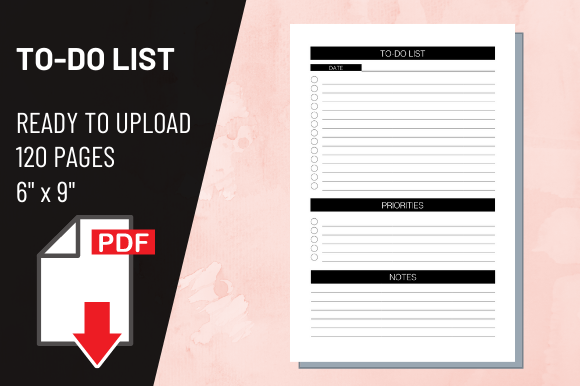
Selecting the right foundation for a low-content book requires balancing production efficiency with end-user utility. When researching assets for Amazon KDP, publishers often encounter pre-formatted templates designed to streamline the creation process. A specific category of interest is the KDP Interior to-Do List, particularly those configured in the popular 6″ x 9″ trim size. Understanding the technical specifications and practical applications of a standard 120-page, 300 DPI PDF file without bleed is essential for determining if this resource aligns with your publishing strategy or if an alternative format would better serve your target audience.
Defining the Standard KDP Interior To-Do List Format
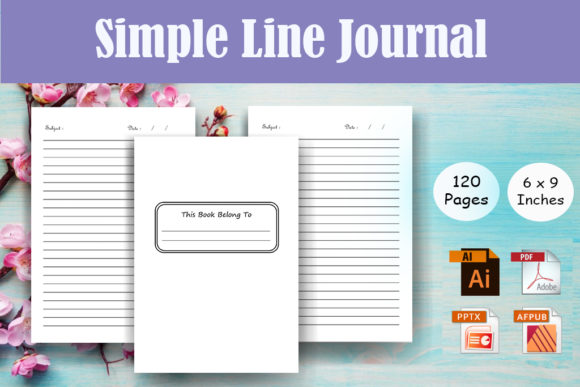
A KDP Interior to-Do List in this context refers to a pre-designed digital asset intended for direct upload to print-on-demand platforms. Unlike a custom-designed manuscript created from scratch using vector software or layout programs, this package provides a finalized interior block. The specific configuration of 6″ x 9″ is significant because it represents one of the most versatile trim sizes in the productivity niche. It is large enough to offer functional writing space yet compact enough to remain portable for daily carry.
The inclusion of 120 pages serves as a strategic baseline. For low-content books, page count directly influences printing costs and perceived value. A 120-page count typically places the book in a price point sweet spot where royalties remain healthy while the physical spine is thick enough to accommodate text if desired. The specification of "no bleed" is equally critical. This means all design elements, including lines, checkboxes, and headers, are contained within the safe zone margins. For publishers new to KDP or those seeking to minimize formatting errors, a no-bleed KDP Interior to-Do List eliminates the risk of content being trimmed during the binding process, ensuring a consistent result across every printed copy.
Technical Quality and Print Readiness
Resolution is a non-negotiable factor when evaluating digital interiors. The requirement for a 300 DPI PDF file ensures that text remains crisp and lines appear solid rather than pixelated or gray. While screen viewing may make lower-resolution files appear acceptable, print production exposes these flaws immediately. A high-quality KDP Interior to-Do List at 300 DPI guarantees professional output that meets industry standards for offset and digital printing.
However, technical readiness extends beyond resolution. Publishers must verify color profiles and margin safety. Since this specific package is designated as no-bleed, users should understand that they cannot extend background colors or graphics to the edge of the page without modifying the file. This limitation is actually a benefit for many creators, as it simplifies the cover design alignment process. When comparing options, assess whether the convenience of a pre-set safe zone outweighs the creative restriction of fixed margins. For pure utility planners and checklists, the tradeoff usually favors the safety and speed of a no-bleed format.
Comparing Pre-Made Interiors Versus Custom Design
The decision to utilize a pre-made KDP Interior to-Do List versus designing a custom interior involves weighing time investment against uniqueness. Custom design offers complete control over layout, branding, and niche-specific functionality. If you are targeting a specialized profession, such as nursing shift planning or construction project management, a generic to-do list template may lack necessary fields. In these cases, the time spent creating a bespoke interior yields a superior product that addresses specific user pain points.
Conversely, a pre-formatted 6″ x 9″ interior excels in general productivity categories or for publishers testing multiple niches. The opportunity cost of designing a unique 120-page layout is substantial. By leveraging a ready-to-upload PDF, publishers can allocate resources toward keyword research, cover design, and marketing rather than repetitive layout tasks. This approach supports a volume-based strategy where market validation precedes heavy design investment. The key distinction lies in intent: custom design builds brand equity and specialization, while pre-made interiors facilitate rapid iteration and portfolio diversification.
Evaluating Alternative Formats and Sizes
While 6″ x 9″ is a dominant size, it is not universally optimal. When considering a KDP Interior to-Do List, compare it against other standard dimensions to ensure fit-for-purpose alignment. The 8.5″ x 11″ format offers significantly more horizontal space, making it preferable for desk-bound users who need extensive note-taking areas or complex tracking grids. If your research indicates that customers prioritize writing surface over portability, the 6″ x 9″ option may feel restrictive.
Similarly, consider the binding implications. A 120-page book at 6″ x 9″ has a relatively narrow spine. If your publishing plan includes elaborate spine text or requires a more substantial feel in hand, you might need to source a version with higher page counts or larger trim sizes. Additionally, evaluate spiral-bound alternatives outside of KDP. Some users prefer lay-flat functionality for to-do lists, which standard KDP perfect binding cannot provide. Acknowledging these physical limitations helps set realistic expectations for what a paperback KDP Interior to-Do List can achieve compared to coil-bound or hardcover competitors.
Strategic Fit: When This Resource Makes Sense
Determining the right moment to use this specific package depends on your current business stage and product goals. A 120-page, no-bleed KDP Interior to-Do List is ideally suited for:
- New Publishers: Those learning the KDP upload process who need a guaranteed compliant file to build confidence and understand platform requirements.
- Niche Testers: Creators validating demand in broad categories like "daily organization," "habit tracking," or "student planning" before investing in custom development.
- Bundle Creators: Publishers assembling multi-book sets where consistent interior formatting creates a cohesive series aesthetic without individual design work.
- Seasonal Products: Time-sensitive releases where speed-to-market outweighs the need for proprietary layouts.
In these scenarios, the standardized nature of the asset is a feature, not a bug. It reduces friction and allows focus on external differentiation through covers and metadata.
Identifying Limitations and Decision Factors
Publishers should also recognize when this type of KDP Interior to-Do List is insufficient. If your value proposition relies on unique intellectual property, proprietary methodologies, or distinctive visual branding, a stock interior will dilute your offering. Customers in saturated markets increasingly seek differentiated experiences; a recognizable template can lead to negative reviews citing lack of originality.
Furthermore, consider the long-term scalability of using third-party interiors. Licensing terms vary, and reliance on external assets introduces supply chain risk. If a template becomes widely used, market saturation may occur. Evaluate whether the license permits modification. Some publishers purchase base templates specifically to alter headers, add logos, or adjust spacing, thereby creating a hybrid product that balances efficiency with uniqueness. If the 120-page count does not match your pricing strategy or content needs, forcing a fit can result in excessive blank pages or cramped layouts, both of which harm user experience.
Making an Informed Selection
Ultimately, the choice to use a pre-made KDP Interior to-Do List should be driven by data and strategic alignment rather than convenience alone. Review competitor bestsellers in your target category. Analyze customer feedback regarding page count, size preferences, and layout complaints. If reviews frequently mention wishing for more writing space or different organizational structures, a standard 6″ x 9″ no-bleed template may not resolve those issues.
Compare the total cost of acquisition against projected royalties. While pre-made interiors have low upfront costs, they may require higher advertising spend to compete in crowded keywords. Conversely, a custom interior might command a premium price or organic visibility through superior relevance. Treat the 120-page PDF as one tool in a broader publishing toolkit. Its strength lies in reliability and speed, making it an excellent component for testing, scaling, or supplementing a diverse catalog. By objectively assessing its specifications against your specific publishing objectives, you can determine whether this resource bridges the gap between concept and market-ready product effectively.