KDP Interior Running Log Book: Designing for the Modern Self-Quantified Athlete
The intersection of analog recording and digital performance tracking has created a unique niche in the self-publishing landscape. For creators and entrepreneurs navigating the Amazon KDP ecosystem, the KDP Interior Running Log Book represents more than just a blank notebook; it is a specialized tool designed to bridge the gap between raw data collection and reflective practice. While smartwatches and fitness apps dominate real-time metrics, they often fail to provide the tactile, cognitive space necessary for long-term pattern recognition and injury prevention. This specific interior format addresses that deficit by offering a structured yet flexible framework for runners who understand that true progress requires both quantitative measurement and qualitative analysis.
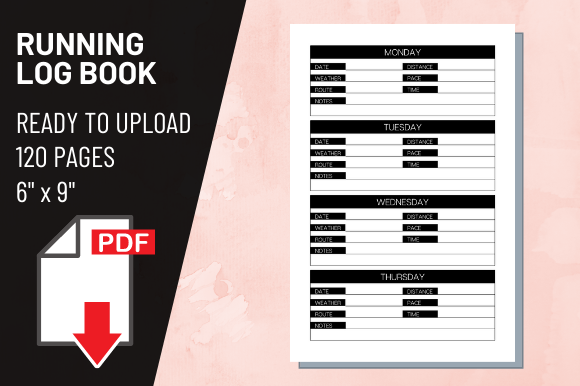
For publishers and designers, success in this category relies on technical precision and an understanding of user behavior. A high-quality Running log book KDP interior must be optimized for the physical realities of print-on-demand while meeting the sophisticated expectations of today’s fitness enthusiasts. The current market standard demands a balance of utility and aesthetic minimalism, delivered through rigorous file specifications. When utilizing a package that includes a high-quality PDF file at 300dpi, sized at 6″ x 9″ with 120 pages and no bleed, creators are equipped with a product that aligns perfectly with both manufacturing constraints and consumer preferences for portable, durable logging tools.
The Shift Toward Intentional Analog Tracking
Digital fatigue is reshaping how adults aged 20 to 50 approach personal development and health management. Professionals, freelancers, and business owners who spend their days tethered to screens increasingly seek offline rituals to compartmentalize their wellness routines. This demographic does not abandon technology; rather, they integrate analog tools to enhance their digital workflows. The modern runner uses a GPS watch for pace and heart rate but turns to a physical log for context. They need to record sleep quality, stress levels, nutrition, and subjective effort—variables that algorithms often misinterpret or ignore entirely.
This evolution in habit formation drives the demand for specialized interiors over generic notebooks. A lined journal cannot adequately capture the multidimensional nature of training. Users expect predefined fields that prompt deeper reflection without adding friction to their post-run routine. The 6″ x 9″ trim size has emerged as the industry sweet spot because it mirrors the portability of a smartphone while providing sufficient surface area for detailed entries. It fits into gym bags, jacket pockets, and bedside tables, ensuring the log remains accessible when motivation is highest. By providing a ready-to-upload solution, publishers can cater to this growing segment of "hybrid trackers" who value intentionality as much as efficiency.
Technical Specifications and Print Quality Standards
In the low-content and medium-content publishing space, file quality is the primary differentiator between amateur and professional products. Blurry lines, pixelated text, or improper margins result in negative reviews and returns. The specification of 300 dpi is non-negotiable for crisp reproduction on standard KDP paper stock. At lower resolutions, fine grid lines and small typography can appear muddy or broken, undermining the user's perception of value. A high-resolution PDF ensures that every checkbox, header, and tracking table prints with sharp definition, maintaining the integrity of the design even after repeated handling.
The "no bleed" configuration is equally critical for functional interiors. Unlike art books where images extend to the page edge, running logs require safe zones to ensure content is never trimmed during binding. A 6″ x 9″ no-bleed interior typically allows for a margin of safety that keeps all tracking fields well within the visible area. This technical choice also simplifies the upload process, reducing the risk of rejection due to formatting errors. With 120 pages, the book offers approximately four months of daily tracking or a full season of structured training, providing substantial value without becoming unwieldy or expensive to produce. This page count strikes a practical balance, encouraging users to complete the volume and return for subsequent editions.
Designing for Cognitive Load and Usability
Effective interior design minimizes cognitive load. Runners filling out a log after a grueling workout or early morning session do not want to decipher complex layouts. The best KDP Interior Running Log Book designs utilize visual hierarchy to guide the eye naturally through essential data points. Key metrics like distance, time, and pace should be prominent, while secondary observations like weather, terrain, and mood can be integrated through compact icons or abbreviated scales. This streamlined approach respects the user's time and energy, making consistency easier to maintain.
Furthermore, the layout must accommodate varying writing styles. Some users prefer bullet points; others write narrative paragraphs. Incorporating mixed input zones—such as combination checkboxes and open text areas—makes the interior versatile enough for diverse audiences, from data-driven marathoners to mindful joggers. The 6″ x 9″ format provides adequate width for horizontal tables while leaving vertical space for notes. When the PDF is professionally typeset at 300dpi, these subtle design choices translate into a superior user experience that generic templates cannot replicate. Publishers who prioritize usability over decorative excess build trust and foster brand loyalty in a competitive marketplace.
Market Relevance for Creators and Entrepreneurs
For marketers, bloggers, and coaches, a branded or curated running log serves as both a revenue stream and a community-building asset. Fitness professionals can use these interiors as lead magnets, bundled resources, or supplementary materials for training programs. The ready-to-print nature of a pre-formatted 120-page PDF eliminates the barrier to entry for creators who lack graphic design expertise but possess valuable audience insights. Instead of spending weeks learning InDesign or troubleshooting margin settings, entrepreneurs can focus on positioning, keyword research, and audience engagement.
The relevance of this product extends beyond direct sales. It taps into the broader "creator economy" trend where niche expertise is monetized through tangible goods. A running coach specializing in busy professionals might commission or customize a Running log book KDP interior that reflects their specific training philosophy. Educators and corporate wellness coordinators might use these logs as part of health challenges or team-building initiatives. Because the file is standardized at 6″ x 9″ with no bleed, it integrates seamlessly into existing KDP workflows, allowing for rapid iteration and testing. This agility is essential in a market where trends shift quickly and responsiveness determines visibility.
Practical Implications for Long-Term Success
Sustainability in KDP publishing comes from creating evergreen assets rather than chasing fleeting fads. Running is a perennial activity with seasonal peaks and lifelong participants. A well-designed log book remains relevant year after year, requiring only minor updates to stay fresh. The technical foundation of a 300dpi PDF ensures longevity; high-quality files can be repurposed across platforms or adapted for premium spiral-bound versions if the creator chooses to expand distribution. Investing in proper specifications upfront prevents costly rework later.
Users also benefit from this commitment to quality. When a runner commits to a 120-page log, they are making a psychological contract with their future self. A professionally produced book reinforces that commitment. Flimsy or poorly formatted interiors signal disposability, whereas clean, precise printing signals respect for the user's journey. For publishers, this translates to higher customer lifetime value. Satisfied users leave detailed reviews mentioning paper quality, layout usefulness, and print clarity—all factors influenced directly by adherence to specifications like 300dpi resolution and correct trim sizing.
Aligning Product Features with User Expectations
Understanding the specific needs of the 20–50 demographic helps refine marketing messaging and product selection. This group values transparency, efficiency, and evidence-based approaches. They are likely to scrutinize interior previews before purchasing. Highlighting the 120-page capacity demonstrates planning for long-term use. Emphasizing the 6″ x 9″ dimensions addresses portability concerns. Confirming 300 dpi quality alleviates fears of poor print reproduction. These are not merely technical specs; they are answers to unspoken questions about value and usability.
Moreover, the "no bleed" aspect should be framed as a feature of reliability. It guarantees that no tracking field will be lost in the gutter or trimmed off the edge, a common frustration with improperly formatted POD books. When creators articulate these benefits clearly, they move beyond generic descriptions to demonstrate genuine E-E-A-T (Experience, Expertise, Authoritativeness, and Trustworthiness). They show they understand both the printing process and the end-user's daily reality. This alignment between product attributes and audience needs is what transforms a simple PDF file into a valuable resource for the running community.
Future-Proofing Through Foundational Quality
While fitness trends evolve, the fundamental human need to reflect on effort and progress remains constant. Technology will continue to advance, but the complementary role of analog logging is unlikely to disappear. Instead, it will become more refined. Publishers who establish a reputation for high-quality, thoughtfully designed interiors now are positioning themselves as authorities in this hybrid space. The KDP Interior Running Log Book is a foundational asset that can anchor a broader portfolio of wellness and productivity tools.
By adhering to strict technical standards—300dpi resolution, precise 6″ x 9″ sizing, optimal 120-page counts, and correct no-bleed formatting—creators ensure their products remain competitive regardless of algorithmic shifts. Quality is the ultimate SEO strategy because it drives organic engagement, reduces return rates, and builds a loyal readership. In a marketplace saturated with low-effort content, a meticulously prepared running log stands out as a testament to craftsmanship and user-centric design. For the modern publisher, this attention to detail is not optional; it is the baseline for sustainable success in serving the evolving needs of active, intentional adults.